Accueil » Inspirations déco et conseils » Softness & Authenticity: Cottage Style Decoration
The maximalism trend is making a remarkable comeback after several years dominated by minimalism and frugality. Gone are the days of art-gallery-style interiors or ultra-stripped showrooms, replaced by rich, personal worlds full of life. Cottage-style decorating is the perfect embodiment of this new-found warmth, comfort and mix of genres.
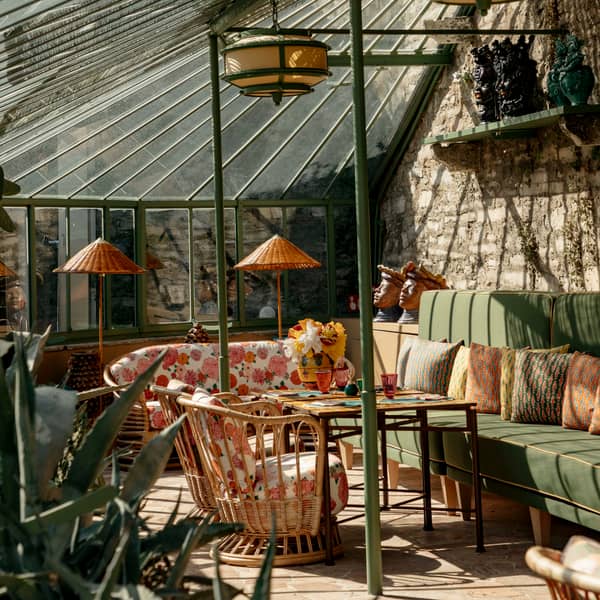
Inspired by English country houses, this aesthetic combines styles, materials and patterns in a reassuringly bourgeois spirit. You’ll find striped wallpapers, animal rugs (zebra, leopard…), floral sofas, faux fur plaids and tapestry-covered toadstools. An assertive neo-cottage style, both romantic and eccentric, that transforms our interiors into ultra-cozy curiosity cabinets.
Cottage-style decoration seduces with its old-fashioned charm, its softness and its ability to create a warm atmosphere, full of objects and stories. It offers a poetic and enveloping alternative to the coldness of contemporary lines. Here’s how to adopt it in every room of the house…
In cottage-style decorating, hues are soothing and natural, creating a visual harmony that invites calm and serenity. A luminous palette is based on several color families: off-white and linen for the base, sage green and sky blue for the more assertive touches, to which are added shades of powder pink and sandy beige for added softness. These colors, which evoke the nature, light and simplicity of homes of yesteryear, can be used both as flat tints on walls and as decorative touches on furniture and textiles. For an even more authentic ambience, don’t hesitate to combine them with deeper shades such as pearl grey or taupe, which add depth while preserving the cozy spirit. They provide the backdrop for a soft, enveloping decor, while offering a perfect base for the patterns and textures characteristic of cottage style.
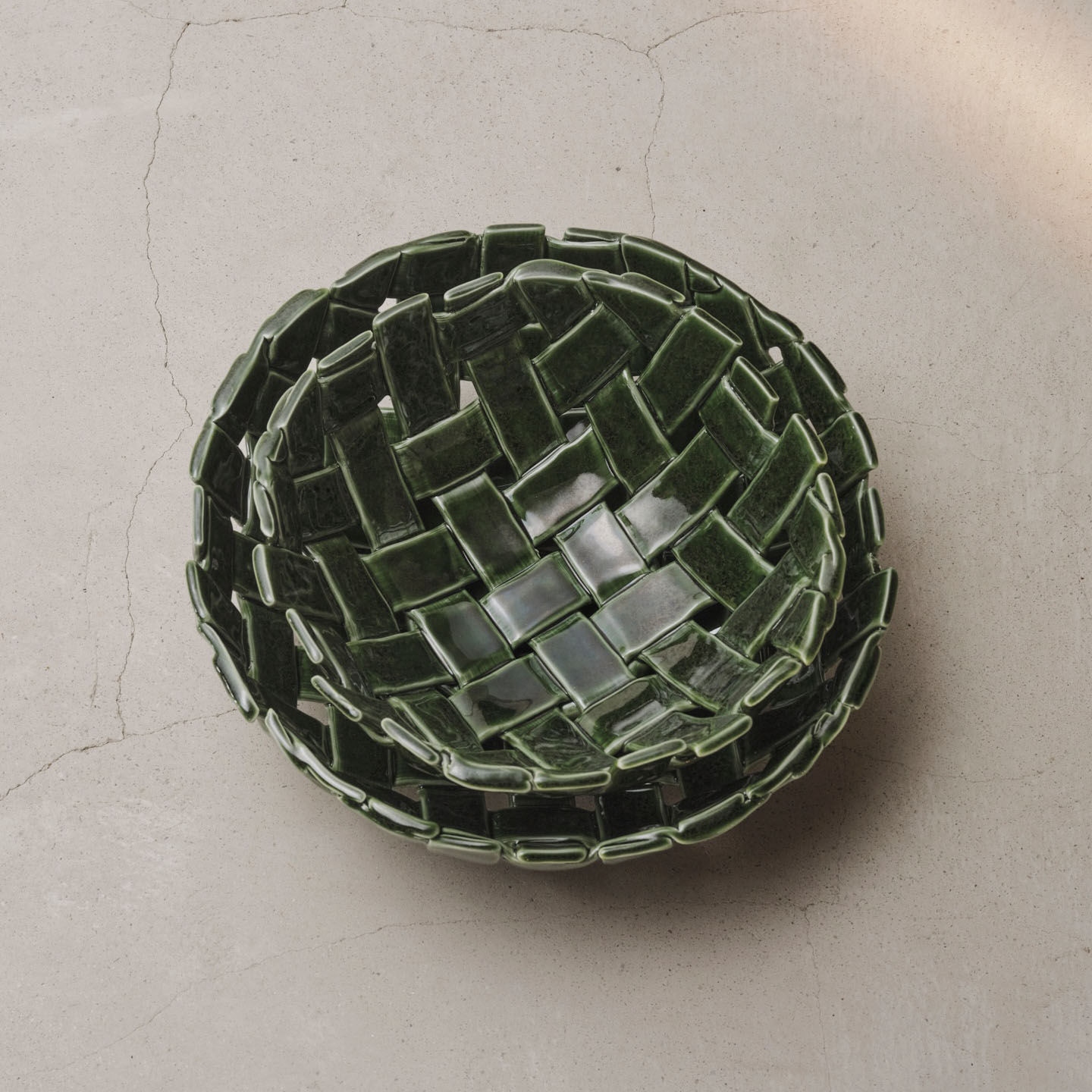
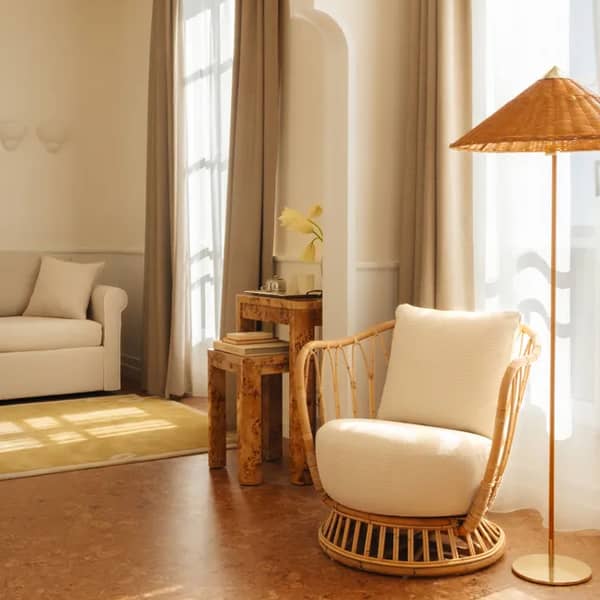
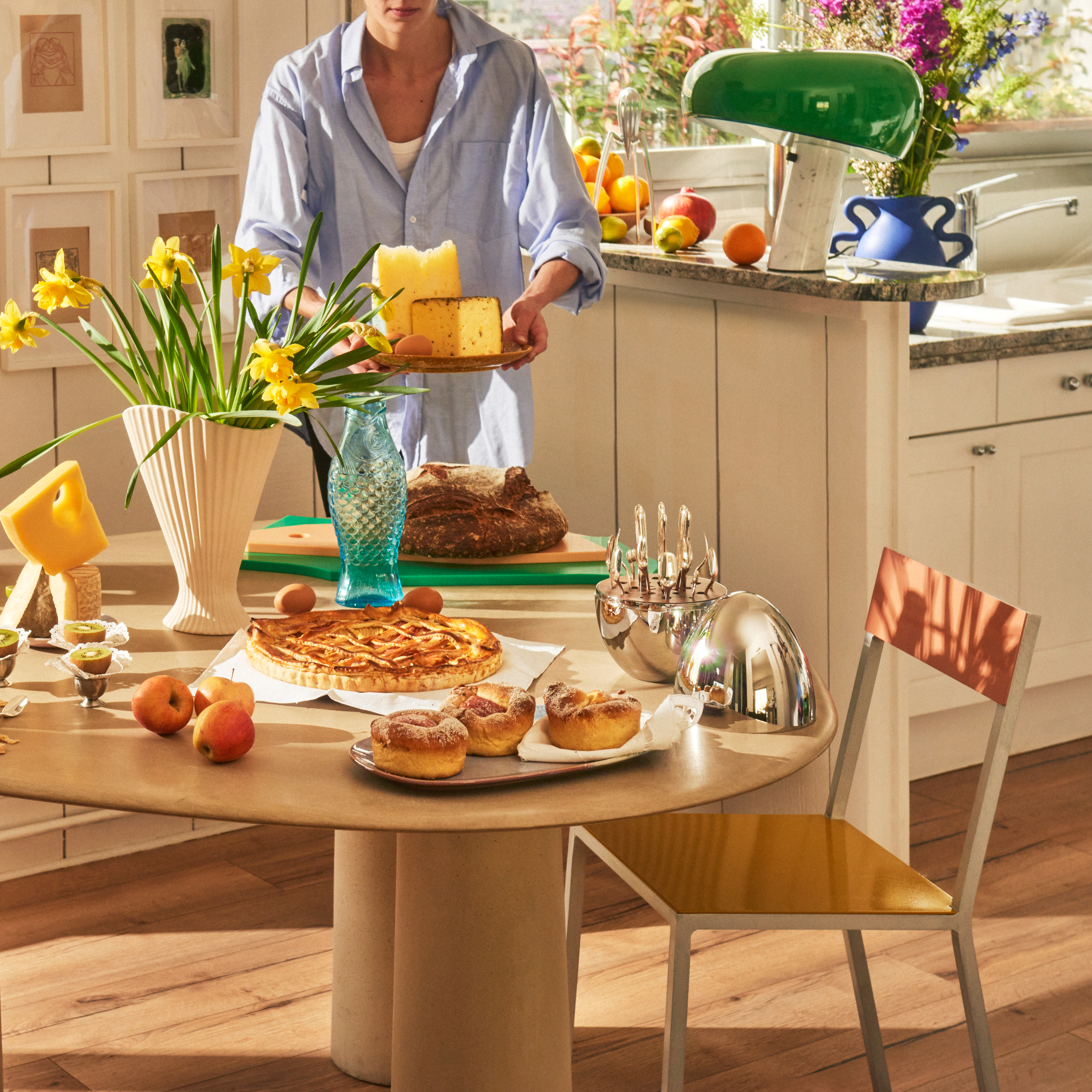
Authenticity comes through materials. Rough or patinated wood, handmade ceramics, washed linen, embroidered cotton… Cottage-style decoration favors natural, irregular textures that tell a story. We love imperfections, manual finishes and anything that evokes traditional know-how. Solid wood is the material of choice, whether for exposed beams, parquet or furniture. Natural fibers such as wicker, jute and rattan lend their authentic texture to decorative baskets and seats. For textiles, we prefer noble materialssuch as velvet, wool bouclé or tweed, which add a touch of sophistication while preserving the warm spirit characteristic of the cottage style. Surfaces can be raw or handcrafted, the key being to retain that connection with nature and the handmade that characterizes the cottage spirit.
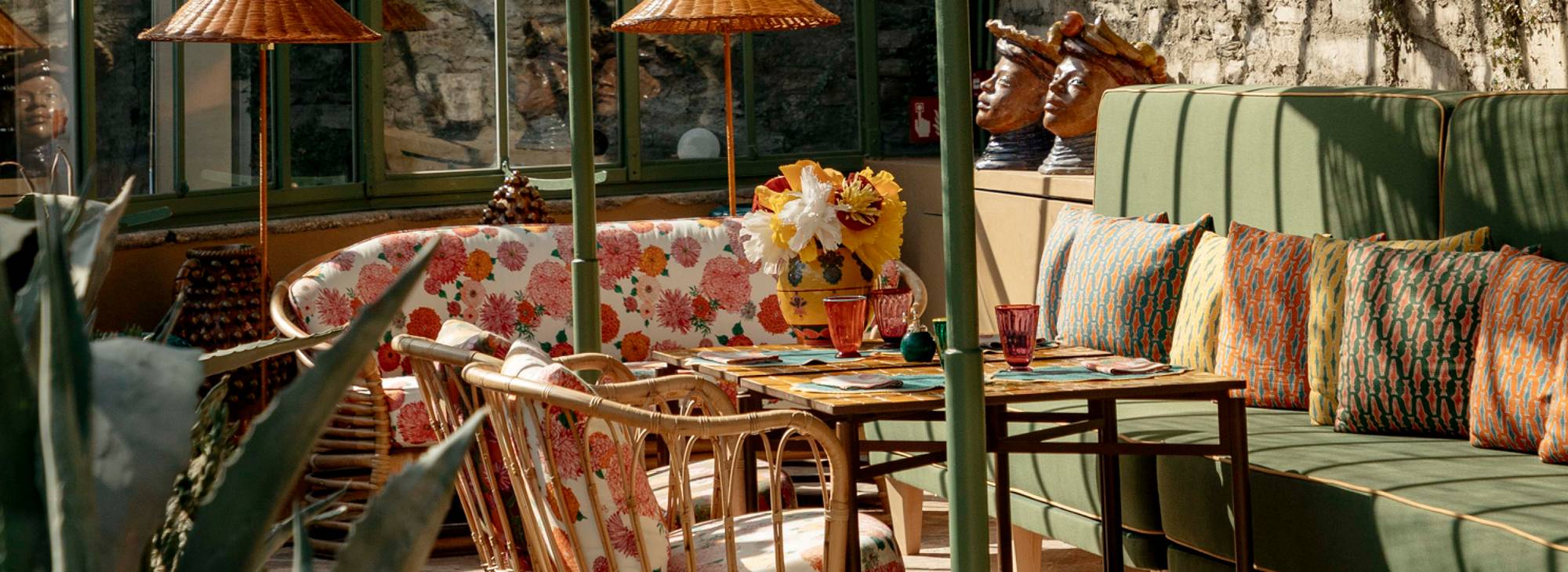
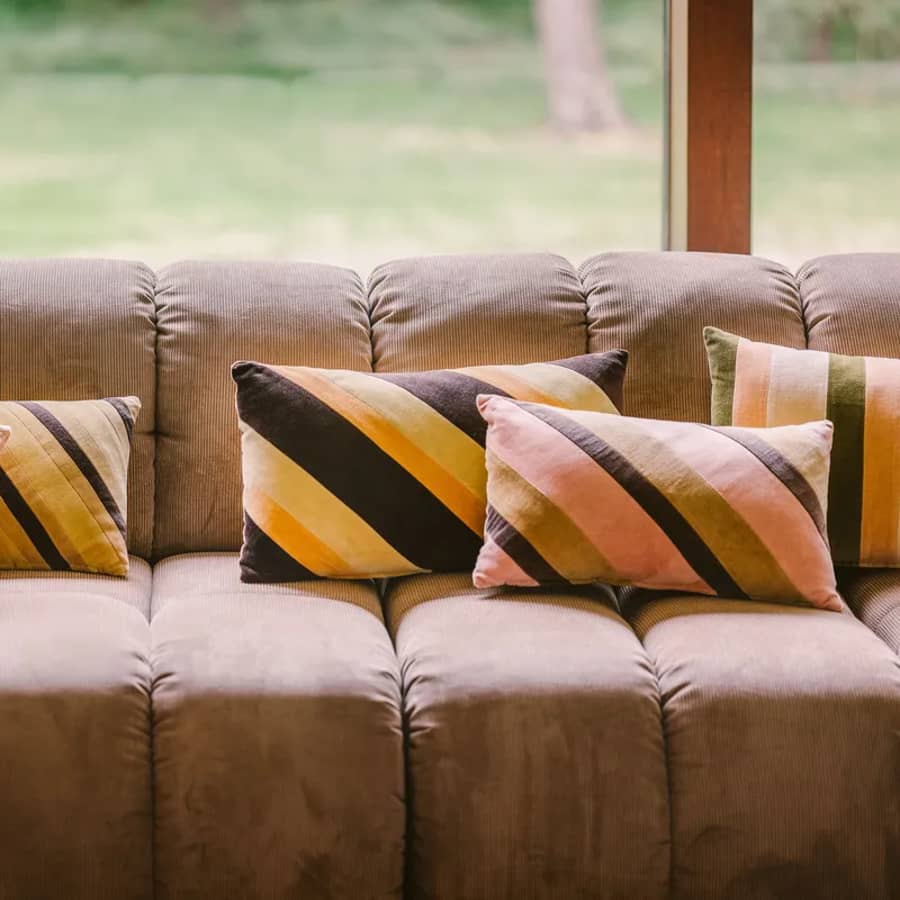
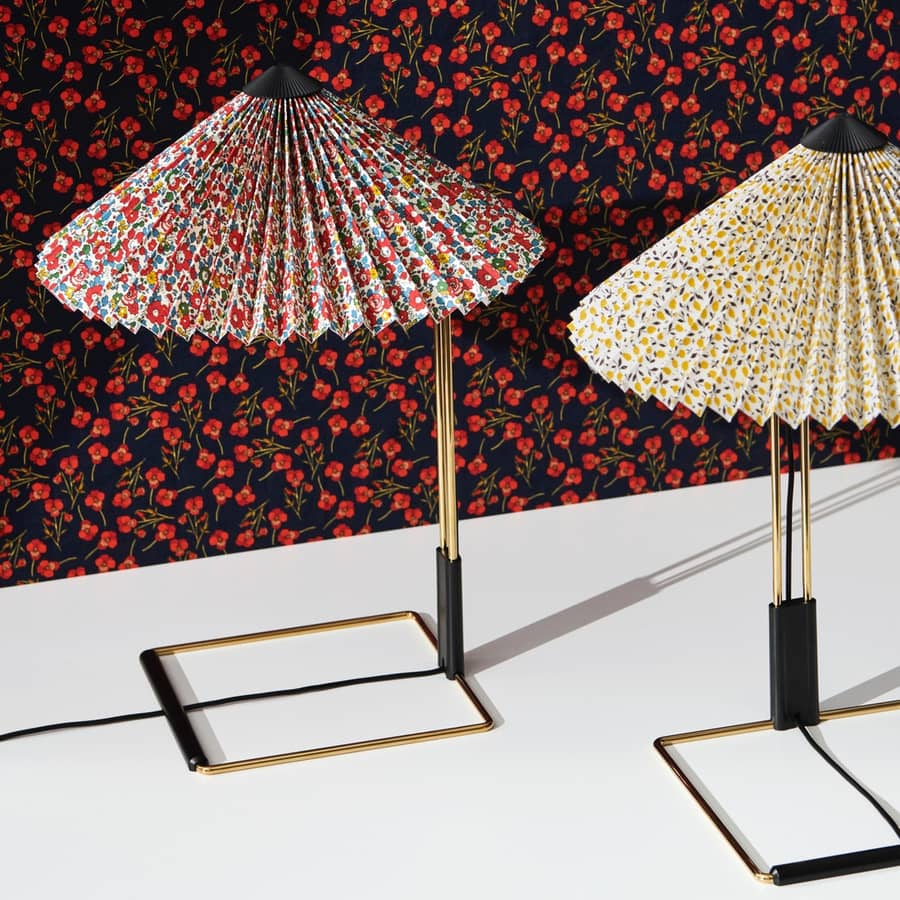
In cottage-style decorating, the accumulation of patterns is not a faux pas… it’s a signature! Stripes, flowers, checks, stylized toile de Jouy prints or Liberty motifs can all cohabit harmoniously in the same room. The trick to achieving this mix? Vary the scale of patterns (small, medium, large), maintain a harmonious color palette, and play with materials to create rhythm and contrast. This deliberate accumulation creates a lively, slightly theatrical ambience, with an assumed retro charm, while giving the space a warm, lively feel. This gentle boldness gives cottage style its unique personality!
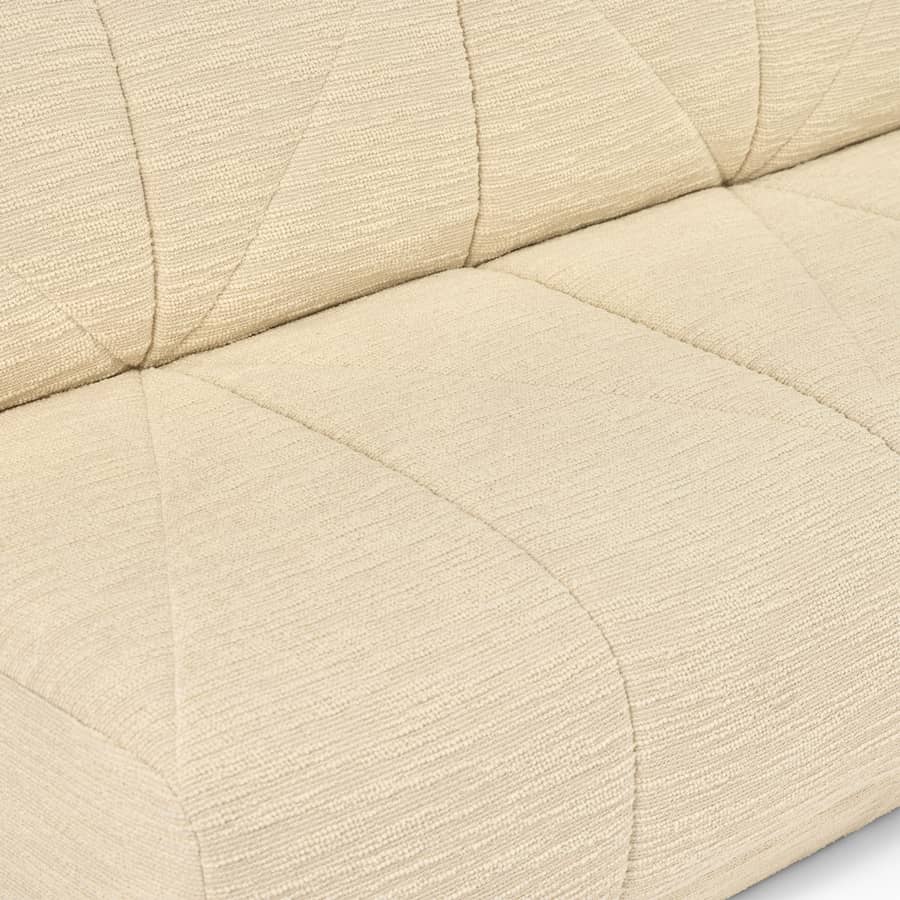
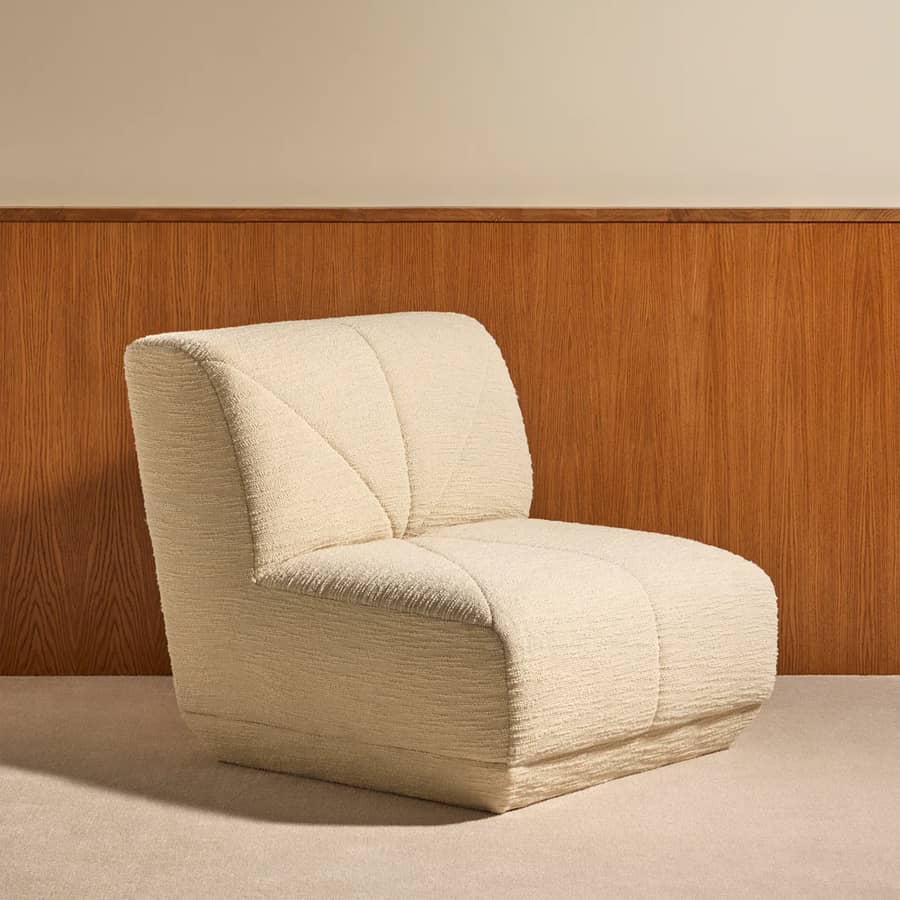
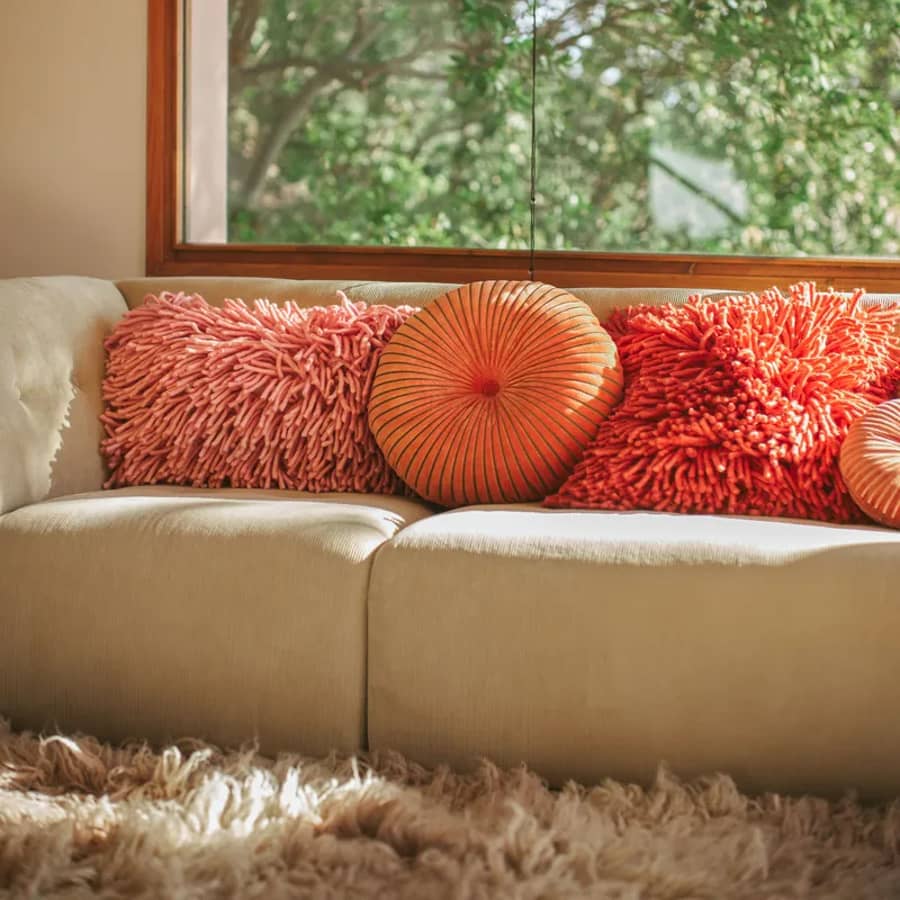
Furniture is at the heart of the cottage identity. It features antique or vintage-inspired pieces: stylizedchests of drawers, wingbackarmchairs, solid wood tables. The furniture has character and roundness, creating a warm and reassuring atmosphere, typical of cottage-style decor. New Cottage furniture is distinguished by its imposing volumes and handcrafted finishes, often with a patina, giving it authentic charm. Noble materials such as solid oak or walnut, traditionally worked in cabinetmaking, are favored. Seating is generous and comfortable, with shepherd’schairs with wraparound backs and deepsofas with soft cushions. The sideboards and china cabinetsare the centerpieces of this style, often featuring delicate reliefs and aged metal handles that add a touch of authenticity to the ensemble.
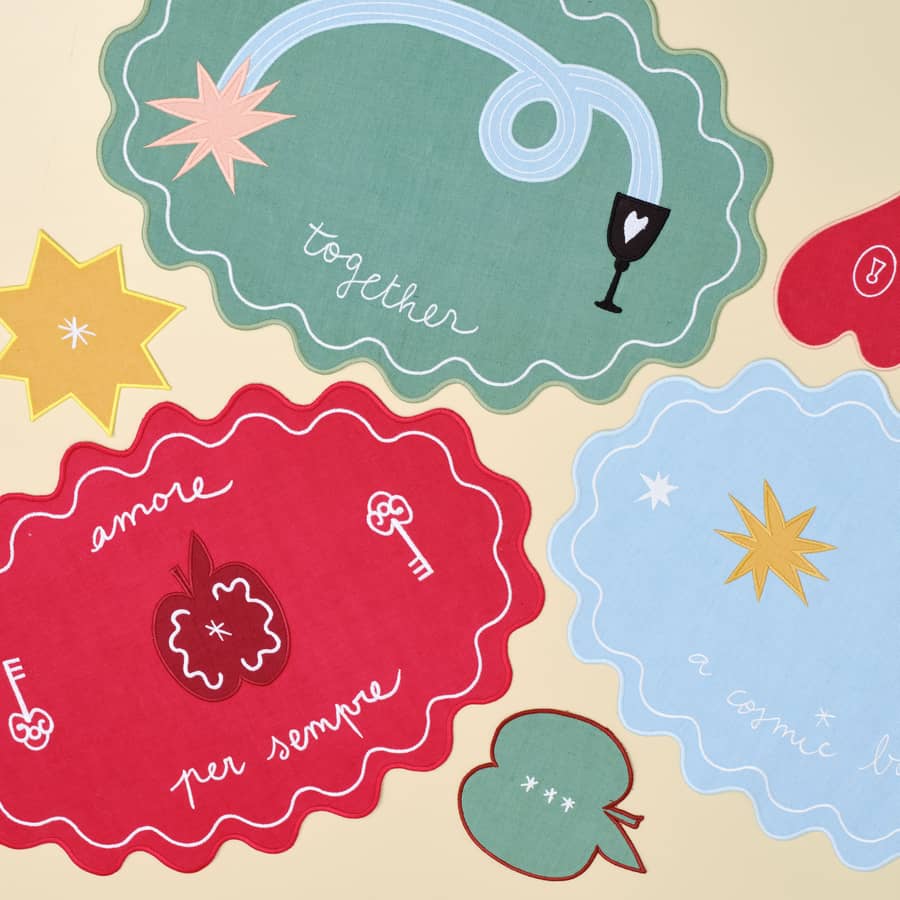
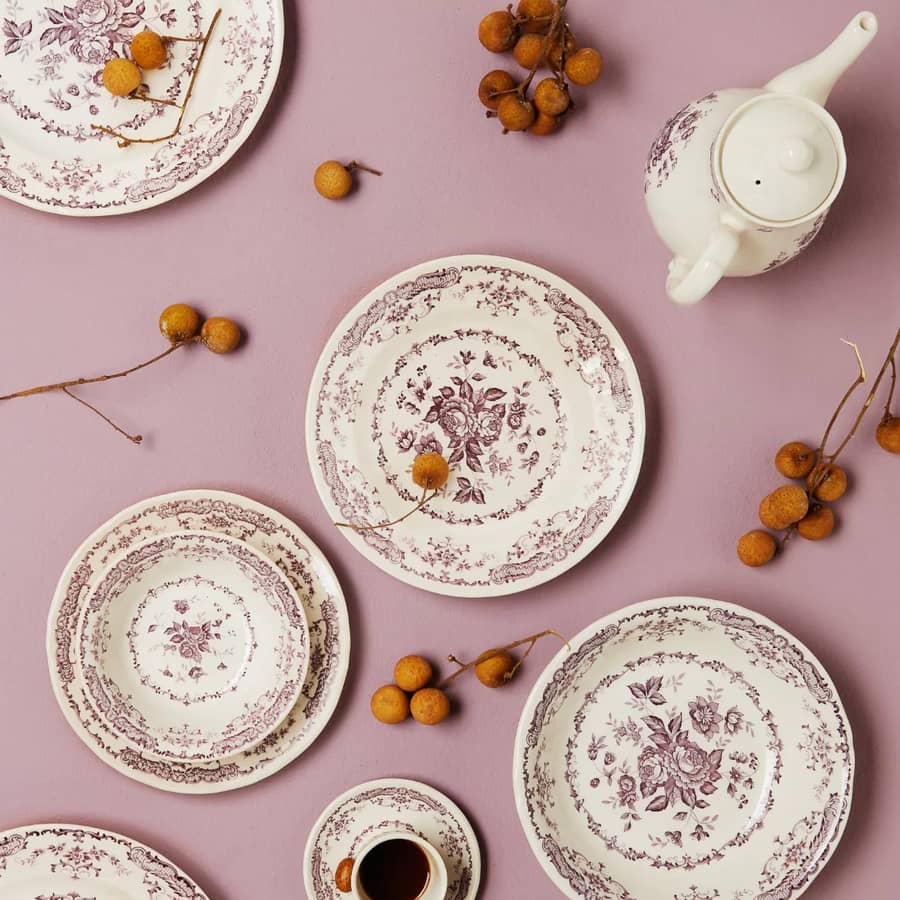
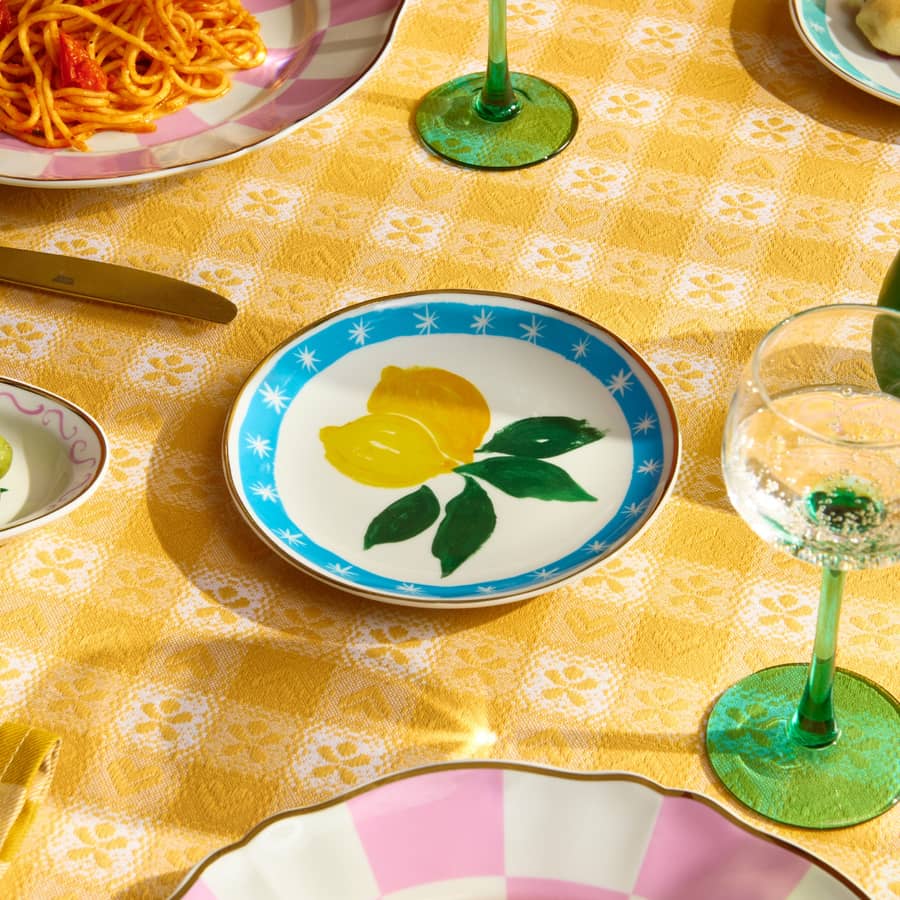
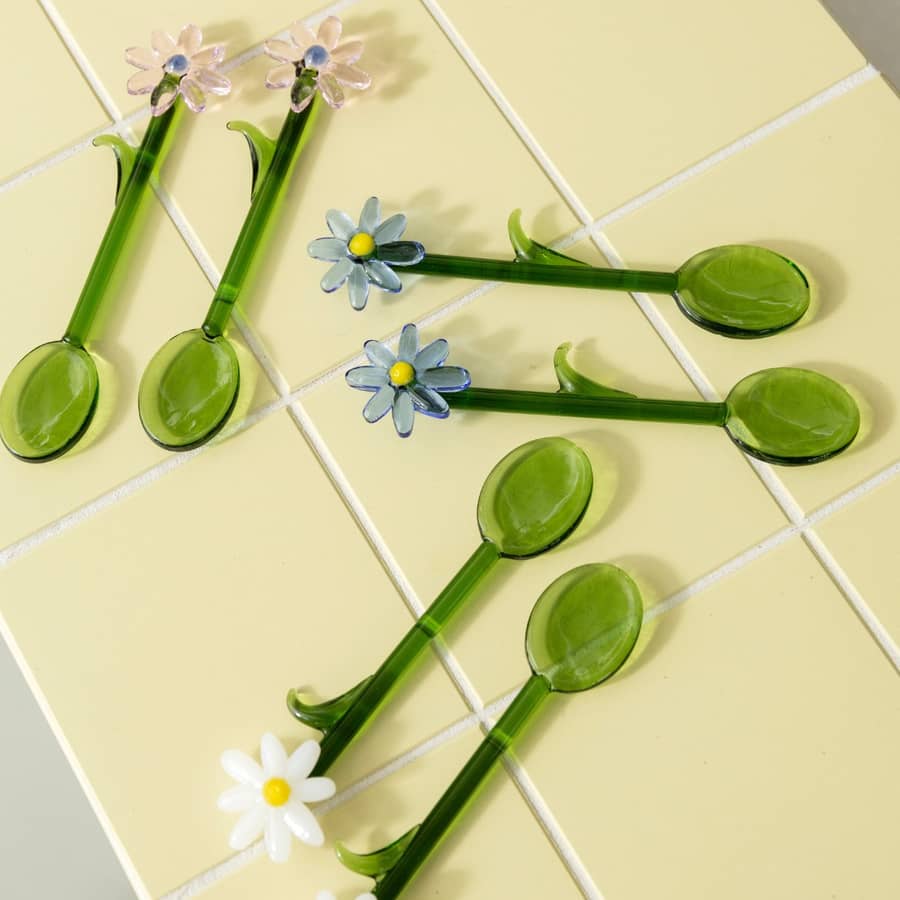
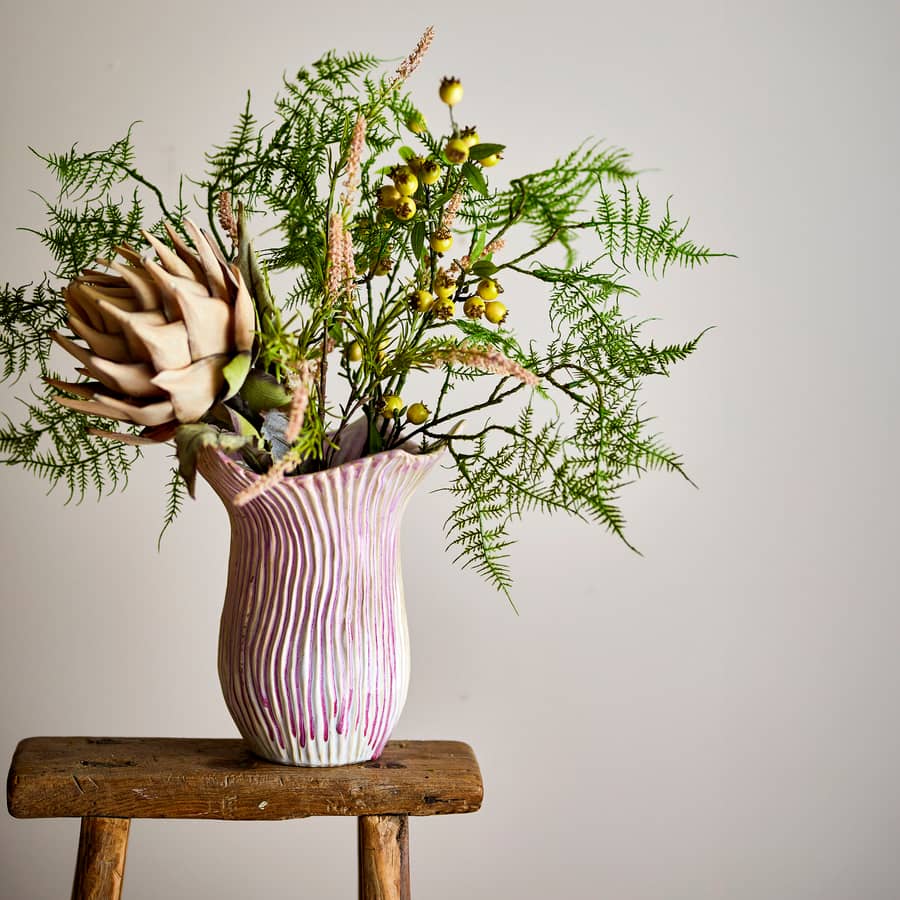
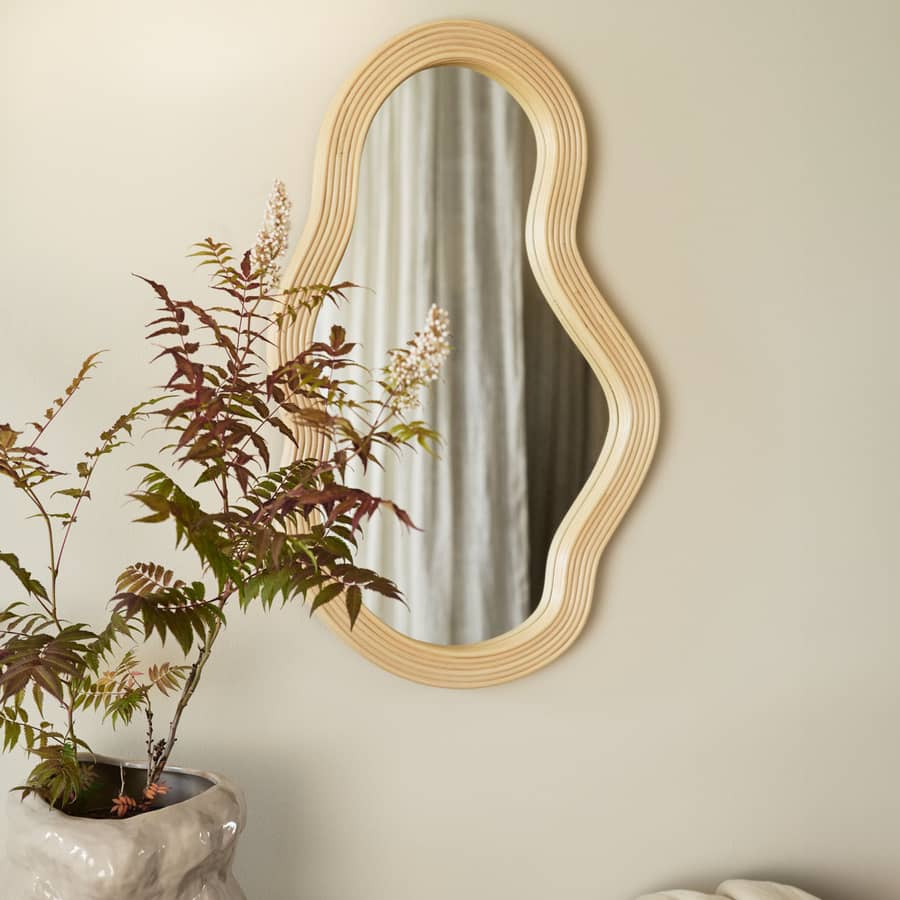
It’s the details that make all the difference in cottage-styledecor. Patterned cushions, bouquets of dried flowers, mismatched crockery and stylized candle holders: each element reinforces the cocooning, poetic and romantic feel of the whole. Vintage accessories such as delicate porcelain tableware, bucolic glass cutlery and crockery help create this authentic atmosphere. We don’t hesitate to multiply the cozy corners with thick knitted plaids, embroidered cushions and bouquets of fresh flowers arranged in handcrafted ceramic vases. Details such as candlesticks and mirrors contribute to the warm, sophisticated ambience that characterizes cottage style.
Cottage style is no longer just a decorating aesthetic: with the Cottage cor movement, it’s becoming a veritable philosophy of life. Born on social networks like TikTok and Instagram, this trend values slowness, nature and a return to basics. It celebrates small, simple pleasures: gardening, sewing, writing by hand, baking a homemade pie… A slow, poetic art of living, far removed from the hustle and bustle of contemporary life. This trend, which took off during the period of confinement, reflects a deep-seated aspiration to create a warm, authentic atmosphere in our interiors. Cottage cor enthusiasts favor natural materials, handcrafted objects and manual activities that nourish the soul: embroidery, making wildflower bouquets, preparing homemade jams. It’s a lifestyle that celebrates connection with nature and tradition, while creating cozy, comforting living spaces where time seems to slow down.
English-style decor has its roots in the traditional cottages of the UK, those charming country houses with their cosy, flower-filled interiors. Inherited from the Victorian era, then revisited over the decades, it is characterized by an art of comfort, narrative and detail. Thick fabrics, floral motifs, distressed furniture and family heirlooms create a warm, intimate atmosphere. This style celebrates domestic life at its sweetest, far from fleeting fashions, with rustic elegance and a deep attachment to nature. Today, English-style decorating is inspiring the return of the cottage to both country and city interiors, in a looser, more mixed and contemporary version. A few well-chosen touches are all it takes: a woollen plaid and cushions on the sofa, a rattanmirror, some shelves filled with antique books, or a reading corner by the window. The cottage style is above all an atmosphere: one of softness, intimacy and comfort.
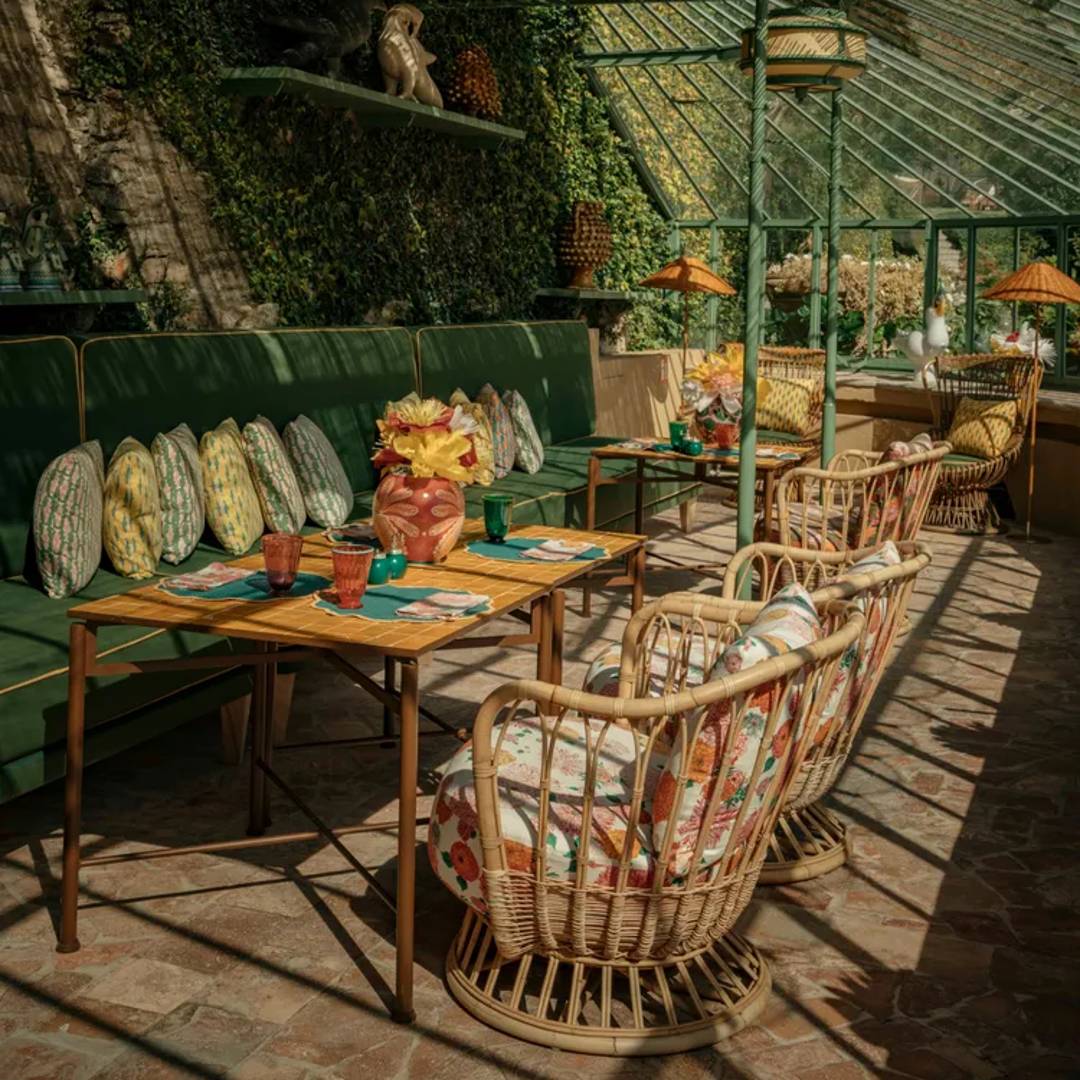
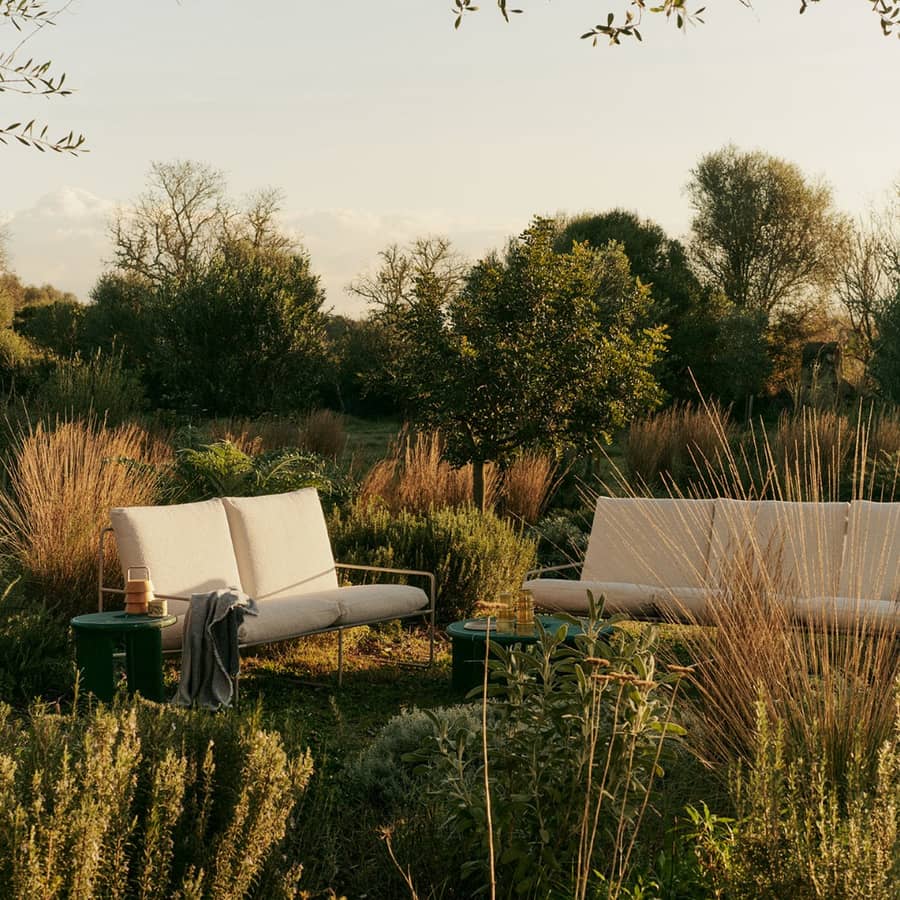
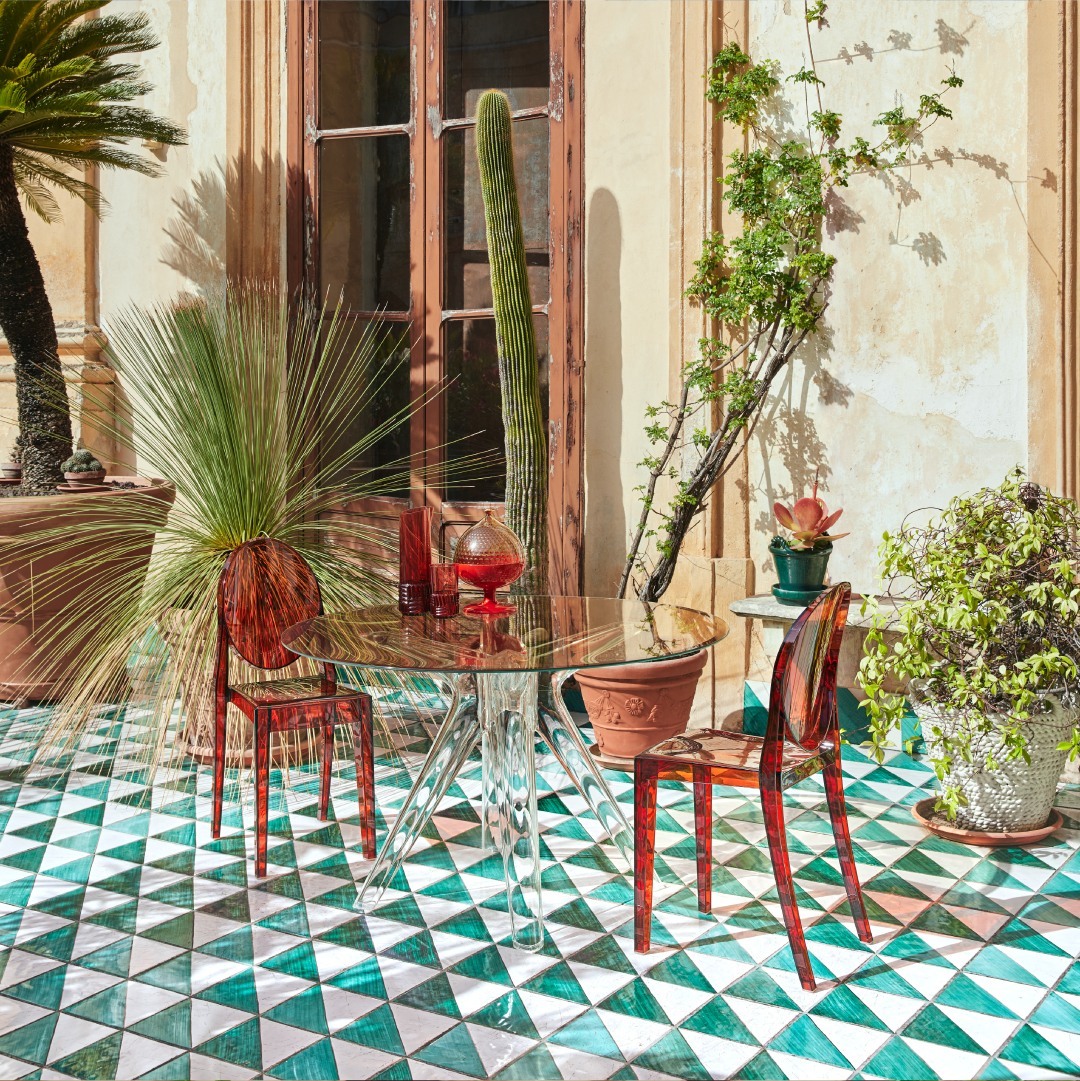
Cottage-style decoration doesn’t stop at the walls of the house: it naturally extends outside. To create a bucolic atmosphere on the patio, in the garden or by the pool, use cushions floral or striped cushions, old-fashioned lanterns and wrought-iron furniture. Add charming elements such as a vegetable garden, rattan or perforated metal hanging baskets, or a pretty floral tea set on a garden table. The idea is to transform the outdoors into a poetic and convivial extension of the indoors, so that you can enjoy the sunny days in a 100% cottage spirit.
Although closely related, these two decorative worlds have marked nuances. The cottage style is directly inspired by British traditions, with its delicate pastel hues and abundant floral motifs. The mix of prints is bolder and the decoration denser.
The country-chic style, on the other hand, draws on French elegance with cleaner lines. The color palette favors neutral tones such as white, beige and pearl gray. The furnishings remain more minimalist, highlighting a few fine pieces of antique furniture.
In a cottage bathroom, for example, you’ll find a free-standing bathtub adorned with floral curtains. Its country-chic counterpart, on the other hand, will feature a natural stone basin and white linen towels, creating a more sober atmosphere.
Designing a British living-dining room requires particular attention to volume and luminosity. Large windows dressed in sheer curtains let in natural light, creating a warm setting for family meals.
At the heart of this space, a massive table in weathered wood is surrounded by upholstered chairs in matching fabrics. An antique sideboard displaying refined tableware harmoniously completes the ensemble.
The lounge area features a Chesterfield sofa in upholstered leather, accompanied by shepherd’s chairs in matching textiles. Paintings depicting country landscapes adorn the walls, while floor lamps diffuse a subdued light conducive to relaxation.
The craftsman style is distinguished by its architectural robustness and clean lines, while the cottage favors delicacy and romantic charm. Craftsman homes feature massive exposed beams, imposing columns and an earthy color palette reminiscent of raw materials.
Conversely, cottages are characterized by their lighter aspect, with pastel hues and intimate spaces. In a craftsman bedroom, you’ll find furniture with strong geometric shapes and dark woodwork. Cottage bedrooms prefer light colors and soft curves.
The origin of these differences goes back to their roots: the craftsman emanates from the American Arts and Crafts movement, which values noble craftsmanship, while the cottage draws on British rural tradition.
Share this magazine